We don't come to energy equity only as a policy position. The policy fluency and the lived reality are inseparable in how we work. A founding partner relationship — built to move faster and hit harder than any single organisation could alone.
Years building coalition communications infrastructure
450+
Organizations coordinated across GAGGA alliance
30+
Combined years experience in movements & alliances
4
Workstreams delivered across one unified partner team to 13+ countries
Cover Letter
Dear Mary & the Common Charge team,
Comms for a Cause (C4AC) is a feminist communications and technology infrastructure organisation.
We start from a foundational belief: communications is not a support function for movements and coalitions — it is the movement itself.
We are submitting this proposal because Common Charge's challenge in year one is exactly the challenge we have spent a decade learning to solve: how do you build a shared voice across a coalition of diverse actors with different interests, different vocabularies, and different relationships to the political moment, and make that voice move faster and hit harder than any single organisation could alone?
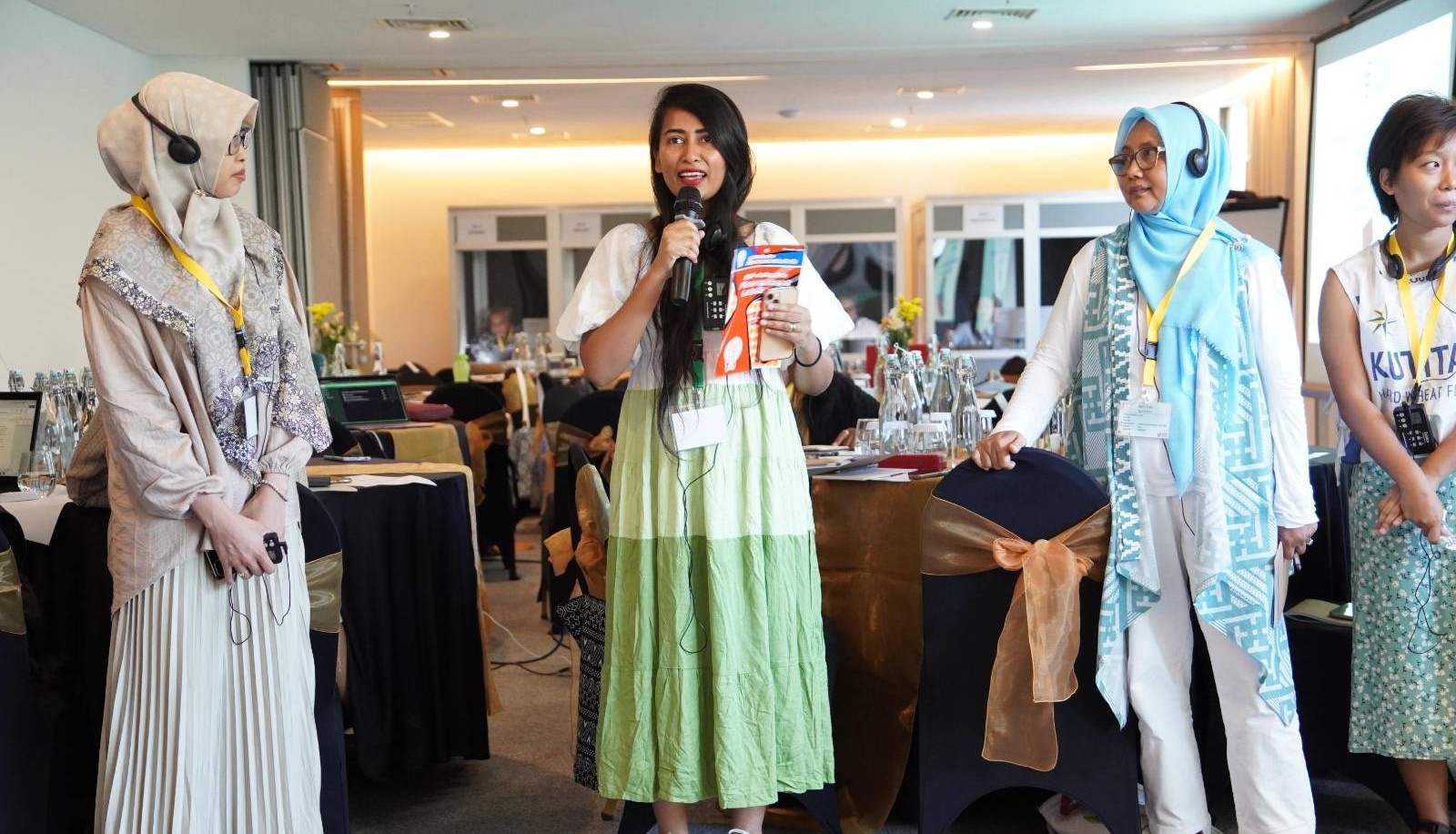
Bali, Indonesia — 2024 · GAGGA WEHRD Voices Gathering
Building coalition communications infrastructure from scratch — shared messaging frameworks, biweekly committee coordination, rapid response protocols, resource hubs — is the work Comms for a Cause Labs (C4AC Labs) has been doing for the past 10+ years. We have done it for GAGGA, a US-based 450+ organization alliance on climate and gender justice, coordinating communications across member organizations, bilateral donors, and UN negotiating bodies simultaneously. We have done it at Just Associates (JASS), managing communications across three global regions. We have done it for WEDO, translating complex energy financing and fossil fuel policy into public and donor narratives at HLPF, coordinating digital campaigns with the Women and Gender Constituency under the UNFCCC.
We understand coalition dynamics from the inside: the friction, the competing priorities, the moments that require a rapid unified response, and the patient work of building shared messaging that every member actually uses.
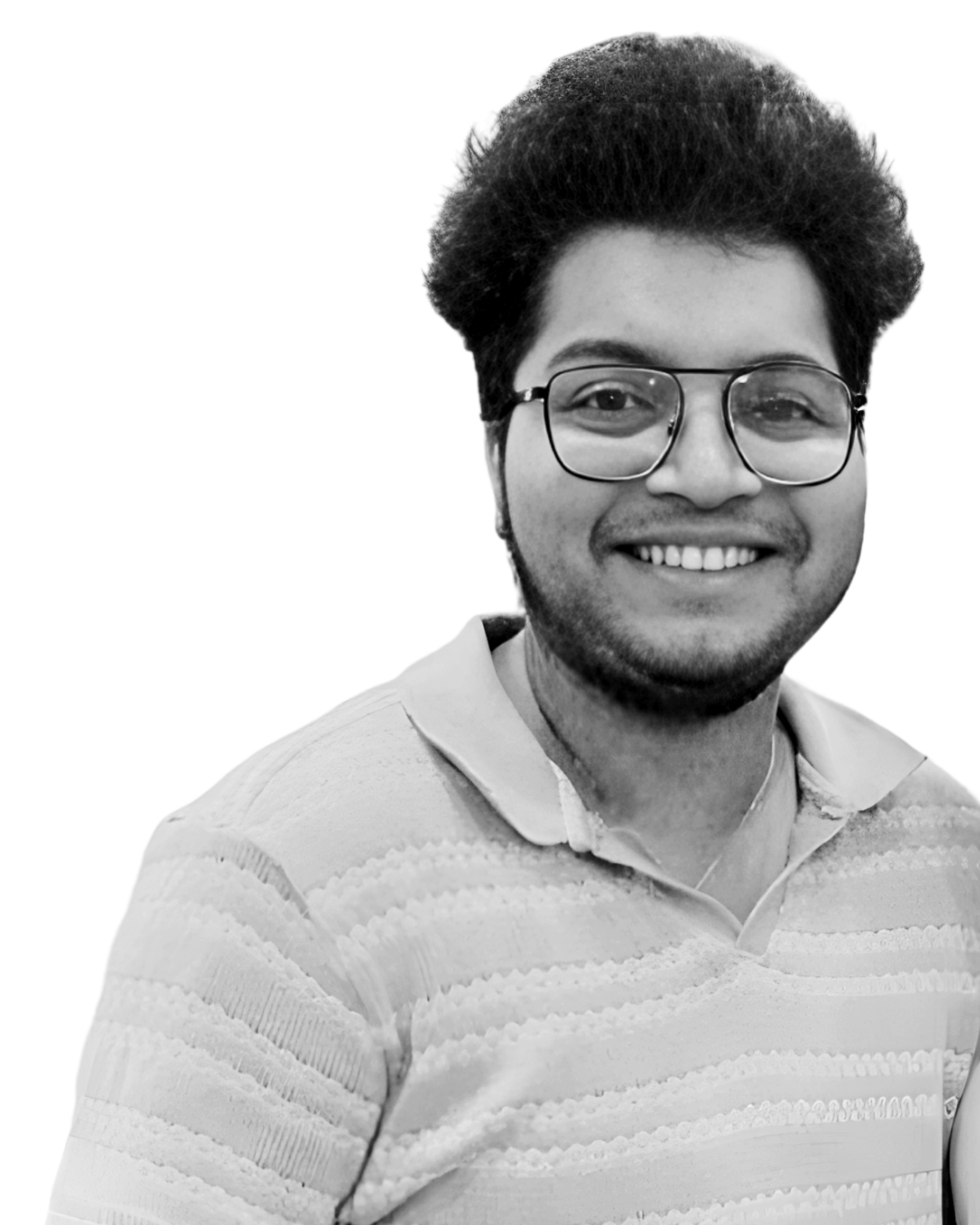
Our ED for Communications, Strategy, and Partnerships, Suman Saurav (they/them), brings direct energy policy experience that goes beyond climate adjacency. Suman is currently a member of the Civil Society Financing for Development (CS FFD) process through C4AC, engaging on energy transition finance at the UN level.
"What we bring to Common Charge is not a vendor relationship. We bring the disposition of a founding partner: willing to shape the vision, not just execute it, and capable of holding the strategic thread across workstreams while the organisation builds its infrastructure around us."
Suman Saurav (they/them)
Co-Executive Director — Communications, Strategy & Partnerships
Currently building StratAd.ai — a communications monitoring platform tracking how messaging language is adopted across websites, earned media, and public-facing materials.
At a glance
June 2026 – May 2027 · founding partner–style engagement
Four workstreams · one unified C4AC Labs team
Coalition comms, rapid response, and digital infrastructure
First 90 Days
How We Would Approach the Four Workstreams
A structured, evidence-first approach built on what actually emerges — not a pre-set schedule.
01
Shared Messaging & Coalition Alignment
Workstream 1
With 25+ members split evenly between businesses and nonprofits, the first challenge is not message development but message discovery. Before any shared framework can be built, we need to understand what each cohort is already saying, what is working, and where the fault lines are.
Rather than immediately scheduling individual conversations with every member organization, we would begin with two structured cohort calls in the first two weeks: one with the business members, one with the nonprofits. These calls would map existing messaging, surface priority concerns, and identify which organizations hold the most relevant polling and research.
Alongside those calls, we would build the internal messaging database immediately, cataloguing existing polling, narrative frameworks, and messaging research across member organizations before the first committee session. Too often this work happens after the framework is drafted; doing it first means the shared document is built on actual evidence instead of assumptions.
The affordability and reliability frames Common Charge has identified are strong anchors; our job is to make sure those frames resonate specifically across your member organizations' different audiences: homeowners, small businesses, advocates, and policymakers.
02
AI-Assisted Messaging Review
Workstream 2
Suman is currently building StratAd.ai, a communications monitoring platform that tracks how messaging language is adopted across websites, earned media, and public-facing materials. We would run the Spring 2026 baseline review using this infrastructure.
Kabir Patil and Xai (Zaid Adil) have built and maintained digital platforms for tech-first and advocacy organizations, bringing direct in-house technical capacity to execute the more complex components of this review.
Our recommended tool stack:
Meltwater + Mira StudioBrandwatchClaude APISpeak AIStratAd.ai
The combination gives Common Charge something most coalitions never have: a documented, repeatable methodology for measuring whether the shared messaging framework is actually taking hold — not just anecdotally, but across earned media, owned content, and social discourse simultaneously.
03
Coordinated Media & Rapid Response
Workstream 3
Coalition rapid response fails in one of two ways: either the protocol is too slow to be useful, or it is so rigid that members cannot sign onto statements quickly. The protocol we would build for Common Charge would solve for both — a tiered system where the communications committee pre-agrees on trigger conditions and response formats, so that when a policy moment arises, the question of whether to respond is already answered.
Our target is 8+ coordinated media actions per year — a mix of rapid response to policy moments (FERC proceedings, state-level DER legislation, utility commission decisions) and proactive pitches tied to Common Charge's own research and coalition wins.
Suman has direct experience pitching to national publications and trade press on energy and climate, and coordinating member sign-ons to joint statements and letters. Empty (they/them), our campaign lead with Greenpeace experience, brings environmental campaign media relationships to this workstream.
We would develop a rapid content toolkit that members can adapt — because our job is often to give member comms teams what they need to move quickly, not to produce everything ourselves.
04
Resource Hub, Speakers Bureau & Newsletter
Workstream 4
C4AC Labs has built resource hubs and newsletters for multi-organizational alliances, including GAGGA's interactive global resource platform serving 450+ partner organizations. For Common Charge, the hub and newsletter serve two distinct audiences: members who need full internal resources and strategic intelligence, and public allies — advocates, journalists, policymakers — who need curated, accessible content.
The six-session training series beginning Fall 2026 would be built directly from the shared messaging guidance document. Hafsa Bhat, our Programs and Advocacy Lead, has designed and delivered professional training programs for multi-organizational coalitions and would co-lead the training design.
We would approach spokesperson recruitment as a strategic mapping exercise: who are the voices that will land with different audiences (utility regulators vs. local media vs. national policy press), and who is currently missing from the conversation? Homeowners with direct experience of distributed assets, particularly from communities historically priced out of solar and storage, are often the most powerful spokespeople precisely because they are the least expected.
Our Team
The People Who Build This
Our team brings a rare blend of on-the-ground movement experience and enterprise-grade execution: 10+ years in strategic communications and digital media leadership, 8+ years in technology and digital security, and a production bench with 10+ years of campaign experience.
C4AC Labs is a queer, trans, disabled, and neurodivergent-led organization — every team member from the Global South: India, Kashmir, Jammu.
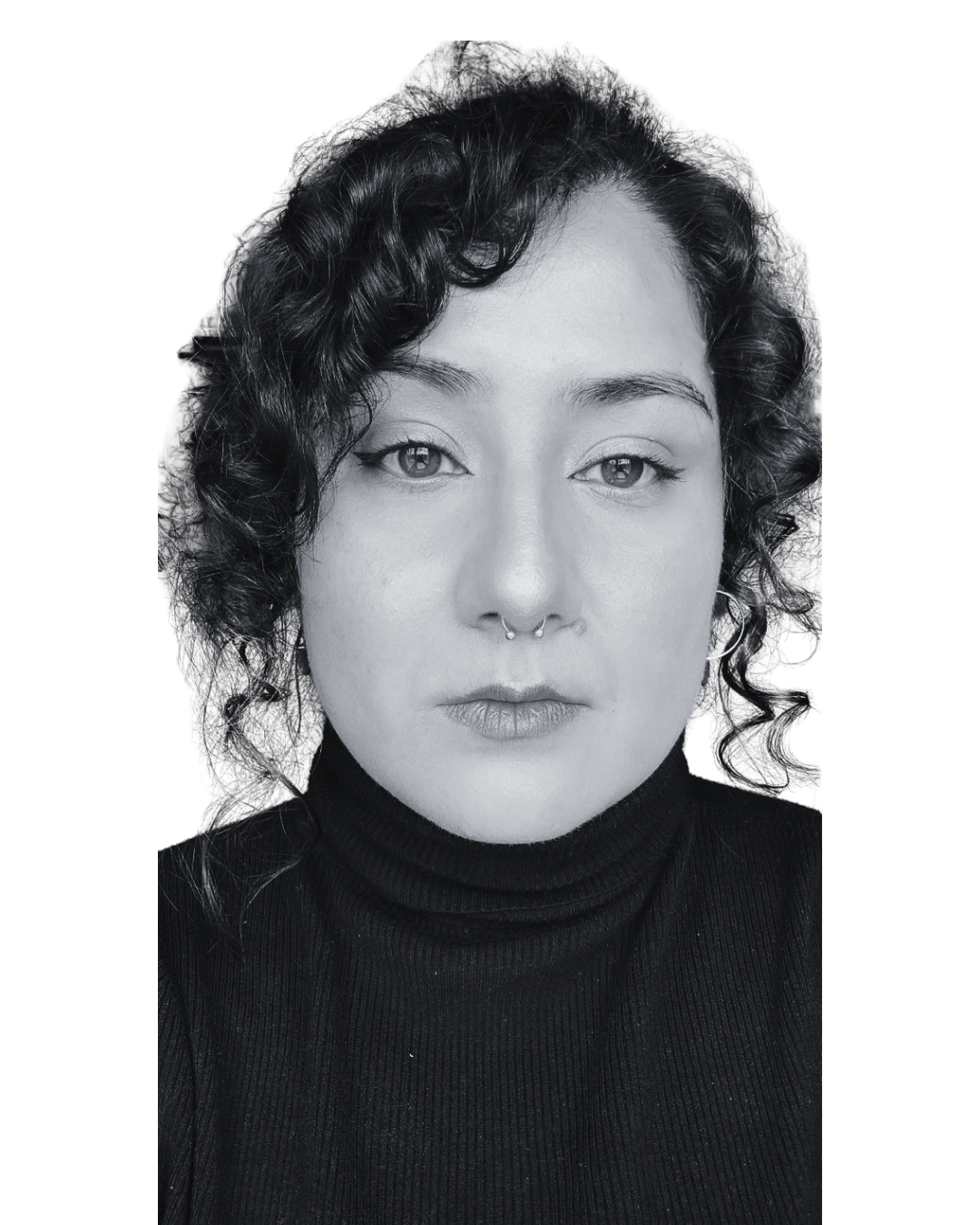
Suman Saurav (they/them)
they/them
Co-Executive Director Communications and Strategy
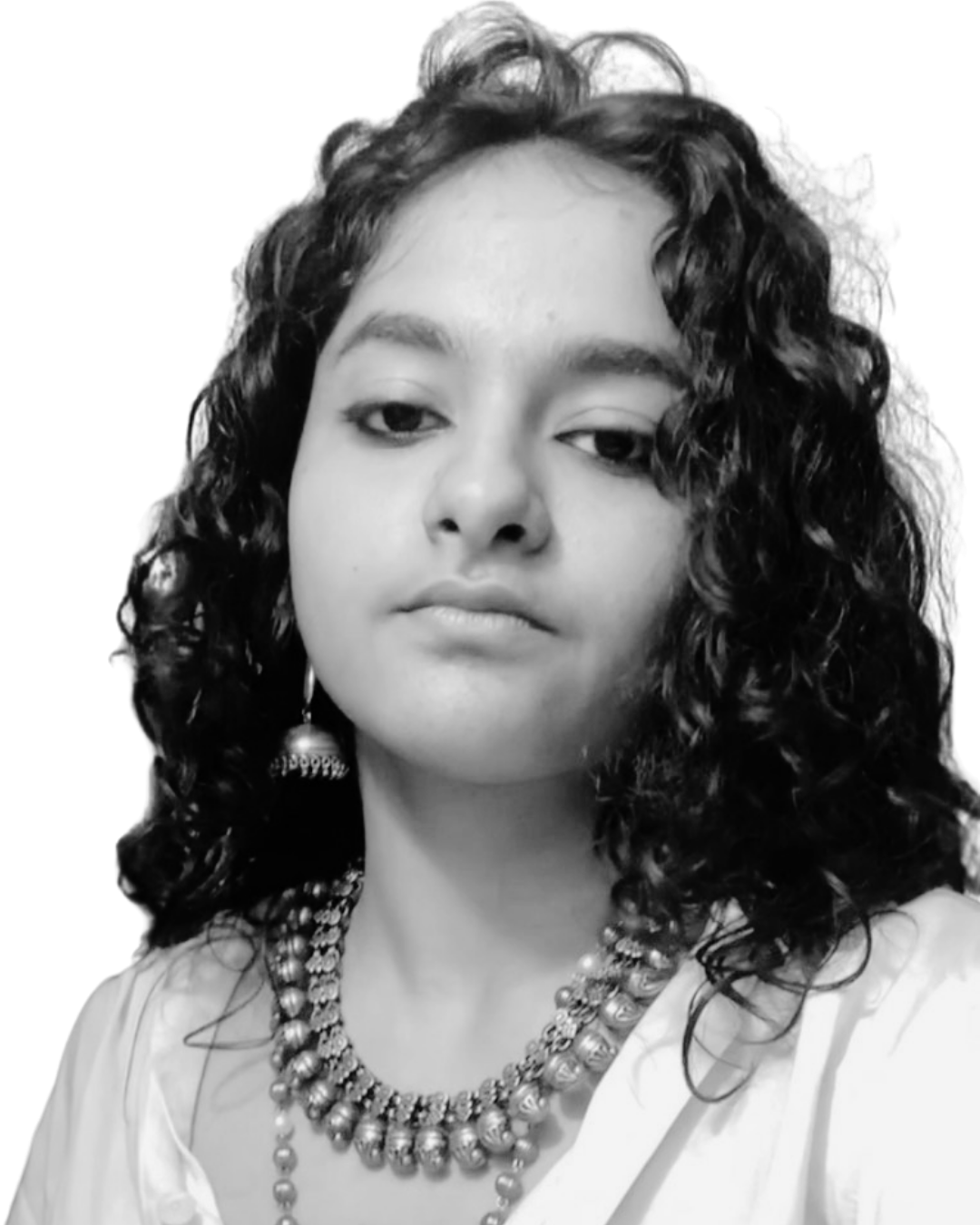
Kabir Patil (he/him)
he/him
Co-Executive Director Tech and Digital Security
Hafsa Bhat (they/he)
they/he
Head of Programs and Advocacy
empty (they/them)
they/them
Communications and Campaigns Lead
xai (xe/xer)
xe/xer
Movement Tech Developer
Urvi Rayudu (she/her)
she/her
Social Media Associate
Organizations We Have Supported
A Decade of Coalition Work
Coalition & Alliance Partners
Global Alliance for Green and Gender Action (GAGGA)
US-based alliance of 450+ organizations across 28+ countries working on gender-just climate solutions; Suman led full communications strategy including COP28 and COP29 campaign coordination.
Just Associates (JASS)
US-based feminist movement-building organization working across Southeast Asia, Mesoamerica, and Southern Africa; Suman currently leads advocacy communications strategy and manages a team of 8 across three regions.
Women's Environment and Development Organization (WEDO)
US-based organization at the intersection of gender, environment, and economic justice; Suman led digital campaigns on fossil fuel divestment, energy financing gaps, and corporate accountability at UNGA, HLPF, and COP.
Realizing Sexual and Reproductive Justice (RESURJ)
Global advocacy coalition working on sexual and reproductive justice through a Global South lens; Suman led digital campaigns and managed their quarterly publication.
Women Engage for a Common Future (WECF)
International women's organization working on sustainable development and environmental justice; C4AC supported their annual Gender-Just Climate Solutions Award strategy and dissemination at COP30.
Fos Feminista
Global consortium of sexual and reproductive health and rights organizations; C4AC led the Pause for Purpose advocacy campaign coordinating 100+ partner activists across Africa.
Association for Women's Rights in Development (AWID)
International feminist organization connecting activists, academics, and policymakers globally; supported the AWID Community platform through C4AC.
Swedish Association for Sexuality Education (RFSU)
Sweden's leading sexual and reproductive health organization; Hafsa served as Project Head, building the LGBTQI+ language guide and managing regional network coordination across branches.
Nordic Palestine Film Festival
Regional cultural advocacy organization spanning Sweden, Norway, Denmark, and the Baltic countries; Hafsa served as Programme Head for Funding and Advocacy, leading fundraising, M&E, and strategic partnerships.
ILGA Asia
Asia-Pacific LGBTQI+ human rights network; supported through C4AC coalition communications infrastructure.
One Future Collective
India-based youth and gender justice organization; communications and digital advocacy support through C4AC.
Amnesty Feminists
Feminist advocacy within the Amnesty movement; partner communications aligned with coalition campaigns.
UN & International Institutions
United Nations Development Programme (UNDP), India
Hafsa coordinated a comprehensive gap analysis of Indian disability laws against the UN Convention on the Rights of Persons with Disabilities.
National Human Rights Commission (NHRC), India
Hafsa led research projects on reintegration frameworks for acid attack survivors and reproductive rights for women with disabilities.
Feminist Humanitarian Network
Global network of 90+ feminist humanitarian organizations; Suman serves on the Steering Committee for Communications, advising on narrative strategy and digital advocacy.
Green Climate Fund
Multilateral climate finance body; Suman supported the facilitation of direct 1-on-1 dialogue at the UNFCCC COP28 Side Event.
Global Affairs Canada · Dutch Ministry of Foreign Affairs
Bilateral donors engaged through GAGGA's COP28 and COP29 advocacy and feminist climate finance structures.
Additional C4AC Partners
We have supported 25+ organizations across Asia, Africa, Latin America, and Europe with coalition communications, campaign infrastructure, and strategic partnerships.
Writing Samples
The Work Speaks.
Alliance Magazine · March 2024
Defending the Defenders: Funding for Climate and Gender Justice
A strategic op-ed written for Alliance Magazine's global philanthropy audience, translating frontline WEHRD experiences into a concrete policy argument for restructuring climate finance, demonstrating the ability to write with both political clarity and human voice for institutional decision-makers.
GAGGA · November 2023
Harnessing People Power to End the Fossil Era: A Conversation with 350.org
A coalition interview piece coordinating 350.org's voice into GAGGA's COP28 advocacy narrative — demonstrating the ability to align external spokespeople with a coalition's shared messaging framework while preserving each organization's distinct positioning.
GAGGA · March 2024
Seeds of Change: How The Women of the Mukonka Village Are Reviving Its Ecology
A community-centered storytelling piece that moves from ground-level human narrative to a sharp climate finance policy ask — demonstrating the ability to translate grassroots experience into language that moves funders, policymakers, and public audiences simultaneously.
gaggaalliance.org · 2026
Fund Forward Partner Toolkit — GAGGA 10th Anniversary Campaign
A fully built digital coalition coordination platform, complete with multilingual posting calendars, downloadable campaign assets, brand guidelines, and coordinated media actions across nine campaign moments — demonstrating C4AC's end-to-end capacity to build exactly the kind of resource hub and coordinated media infrastructure Common Charge is seeking in Workstreams 2 and 4.
Read the Full Proposal.
All workstreams, team bios, references, and writing samples in one document.





.svg)



.svg)
.png)